Friday, August 17, 2012

Food Storage Friday -Intro to Canning

Last April, we had a disaster. Our big upright freezer had a malfunction while we were away. We came home to a freezer full of mostly-thawed meats. Ugh!

Luckily, I had the equipment and knowledge to safely can meat. For three days, I cooked and canned almost everything that was in the freezer. To be on the safe side, I threw out the seafood. But was able to save all of the beef and chicken.


I even saved all of the scraps and fat trimmings and canned them as pet food.


If you can meat or other low-acid foods like most vegetables, use the pressure canning method only.  Water bath canning is only appropriate for acidic food like tomatoes and most fruits.  Don't listen to anyone who tells you differently.  You risk making yourself sick by using another method for canning meat.

Next week, I'll post some information on water bath canning. Depending on what I can find at the store, I'll walk you through making some kind of jam then water bath canning it.

Thursday, August 16, 2012

Square Foot Gardening

Gardening will be another topic I'll post about at length. Back in the day, just about every home had a garden. During war times, planting a Victory Garden was a family's patriotic duty.  There's a lot to be said for that.

Growing your own food is hugely satisfying! You actually know where your food comes from!

Believe me, you don't need a huge plot of land and a green thumb to get something growing. If you have an apartment balcony, you can grow a tomato plant in a 5-gal bucket! Some of my friends will be posting about their experiences with gardening in a city.

My favorite gardening method is called "Square Foot Gardening". It's a way to grow a lot in very little space. Here is a link to the "official" Square Foot Gardening website where you can read all about this innovative way to garden.

Square Foot Gardening

For me, the beauty of this way of gardening is that you don't have to spend a lot of time digging up a huge plot of land and it doesn't matter what your native soil is like. Square Foot Gardens are in raised beds that sit on top of what ever ground you have.

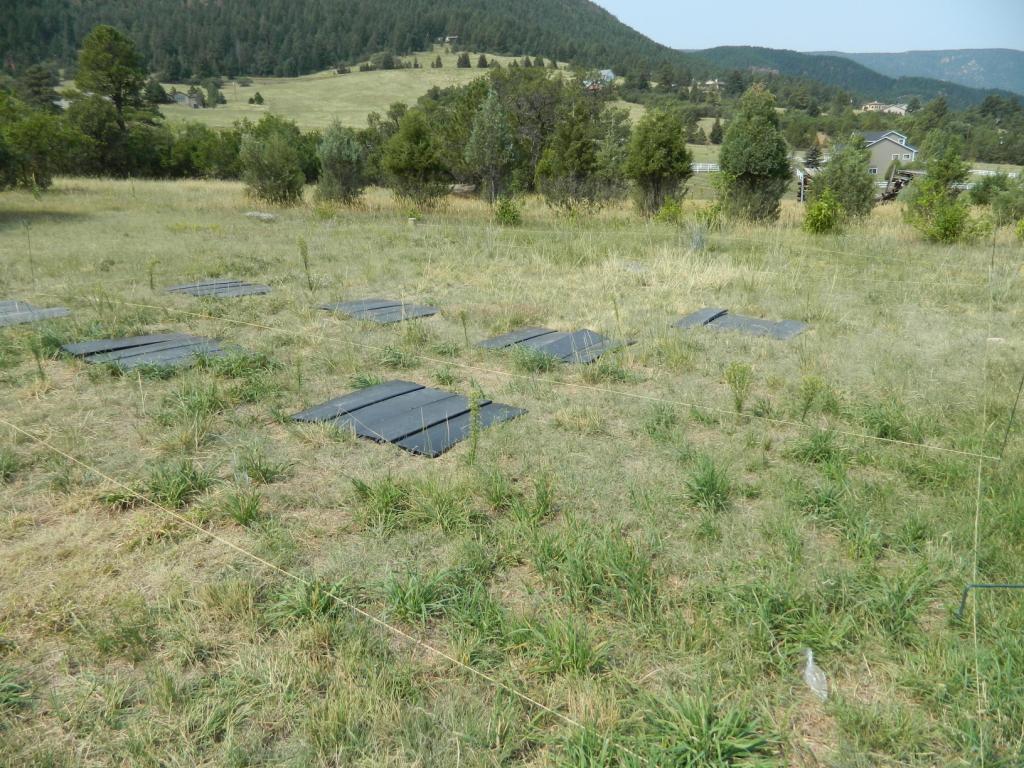
I just started plotting out where my garden will be.


This house came with a well-established perennial garden, which you can see on the right in the photo above. Note the tall deer fence around it.


My vegetable and herb garden will go next to it. That area has great exposure to sunlight. It's on a slight slope which will help with drainage.  Those black planks you see are the sides to prefabricated raised garden beds. I found them on Craigs List for $10 each.


Next week, I'll show you how I built raised beds out of lumber. It's not hard to do and you don't need any carpentry skills.


Friday, August 10, 2012

How Not to Manage Your Food Storage

One topic you'll see me talk about at length is food storage. I believe it's vitally important to have at least some extra food on hand in the event of an emergency. The extent to which you store food depends on your unique situation. In upcoming posts, I'll share with you how I do it and offer my suggestions on how to start. Each Friday, I'll post something about food storage.

This, however, is the absolute worst thing you can do when it comes to having extra food on hand.


While we were house hunting, we saw this in the garage of one of the homes we walked through.  Based on the price stickers on the items, all of this came from a place in Colorado Springs called Bargain Mart. It's a discount grocery store that tends to have things that are nearing their expiration date.


Most everything was piled in boxes with no catagorization whatsoever.

How would you know what you have? How would you find something specific? How do you even get to the stuff?
This is a good idea gone very wrong.  I'm guessing the prices were so attractive that the person just loaded up on everything and anything. I saw about a dozen jars of different types of caviar. The price was $1.00 per jar. 

Don't make this mistake. Make a plan, make a space with shelves or other organization system, then make your shopping list. Store what you use and eat, not just what's on sale.

Unless you really, REALLY love Coleman's Dry Mustard, don't buy two dozen tins of it simply because it's an awesome price. You won't use it before it goes bad which means you've thrown your money away.


There's a right way and a wrong way to go about laying in supplies. Please don't get all excited about some "case lot" sale or something you find at a discount grocer and load your trunk up with a bunch of stuff like this person did. 


Who here has some food stored up for a rainy day? If not, have you thought about it? Feel free to share your thoughts on the matter.

Wednesday, August 1, 2012

The Locals

Bear with me while I learn the ins and outs of blogging. I haven't figured out how to create multiple dynamic pages. I can do static pages, just not ones that support multiple posts.  In the meantime, I'll label each day's post based on the pages I hope to create one day.

For example, today's label is "wildlife". On the right side of the page, you'll see a list of labels. This will help you find posts on specific topics.

The previous homeowners had bird, squirrel and deer feeders up all over the property. I've taken the feeders down, since I will be putting in a garden. However, it will take some time for the wildlife to learn new habits. Don't get me wrong, I love animals of all kinds. Under different circumstances, I'd be delighted to see all of these creatures in my yard. With self-sufficiency as my ultimate goal, these critters will be competing with me for the food from my garden. And that won't do at all.

Two mule deer doe and their twin fawns come around every day. They aren't afraid of humans.

I can walk within 20 feet of them and they stand there looking at me calmly. Even shouting at them doesn't frighten them. I have to run at them like a crazy woman in order to get them to move. And even then, they go about 50 feet then turn around to watch me. 
A rather large flock of turkey visits every few days. I'd say there are about 50 of them in all. Here are some of them lounging around where one of the feeders used to be.

There are dozens of youngsters in this flock. Unfortunately, they've already learned to come here for food. If I discourage them from coming around, perhaps the next generation won't learn the same habit.


My hubby, G.W. has made the argument that I don't want to chase these animals too far away. In a crisis situation, they're a vaulable source of protein. It's a valid point. But how do I find the balance between protecting my garden and keeping the animals close by as a food source?

Any ideas?